Practical guide
advantages and disadvantages of vending machines
Understanding advantages and disadvantages of vending machines
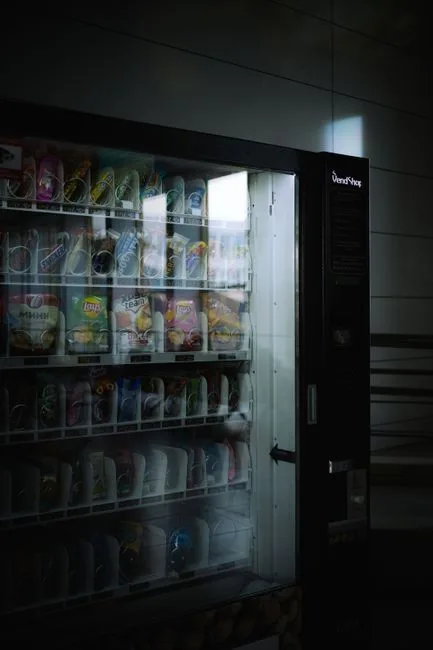
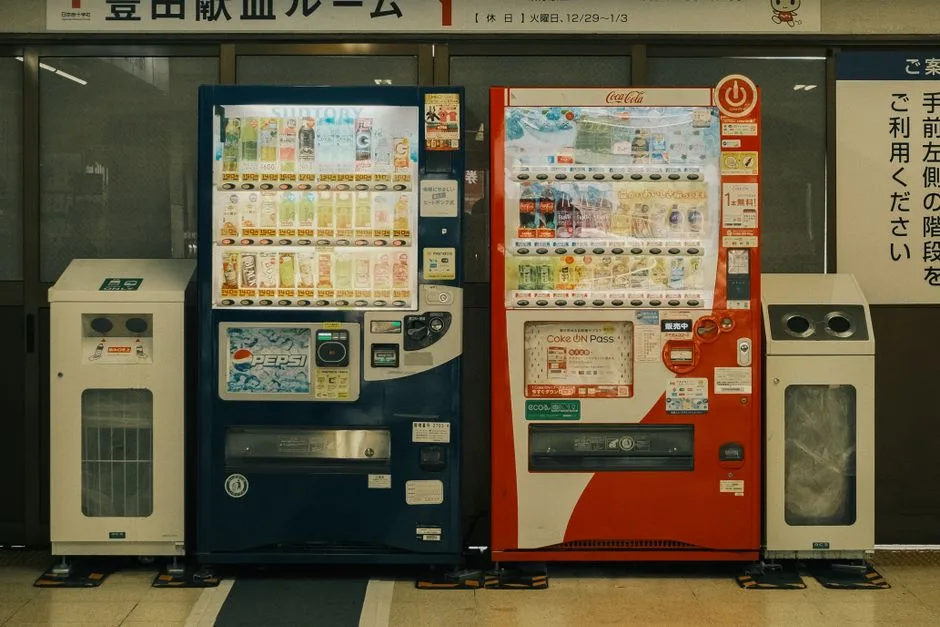
Vending machines offer a convenient way to sell products without the need for staff. They can operate 24/7, providing customers with access to snacks, drinks, and other items at any time. However, there are also challenges, such as maintenance, stock management, and potential theft. Understanding these factors can help you make informed decisions about your vending machine operations.
Key concepts and practical examples
IntellentSpaces.com is a Smart Saas Management Software and telemetry application for Self-Service Businesses. Our differentiator is that we provide unlimited machines management for a flat price. This is one powerful platform for managing vending machines, laundromats, car washes, dog washes, parking, ticketing shoe cleaning and disinfection vending machines, and any machine that requires no human to operate and performs monetary transactions for humans. Operators can monitor, manage, and grow their business without stressing about costs — from anywhere.
For example, when restocking a vending machine, you can track sales data to determine which items are popular and need to be replenished more frequently. This helps in maintaining optimal stock levels and reducing waste.
How to put it into practice
1. **Assess Your Location**: Identify high-traffic areas where vending machines can be placed. Consider foot traffic and visibility.
2. **Select Products Wisely**: Choose items that cater to your target audience. For instance, healthy snacks may perform better in a gym setting.
3. **Implement Inventory Management**: Use IntellentSpaces to track stock levels and sales. This will help you know when to restock and what items are selling well.
4. **Regular Maintenance**: Schedule routine checks to ensure machines are functioning properly and stocked adequately.
5. **Monitor Performance**: Analyze sales data regularly to adjust your product offerings and pricing strategies.
Comparing approaches and avoiding mistakes
When deciding on vending machine placements and products, consider the following:
- Location vs. Product Type: High-traffic areas may require different products than quieter locations.
- Cost vs. Revenue: Balance the cost of products with potential sales to ensure profitability.
- Maintenance Needs: Some machines require more upkeep than others. Choose machines that fit your operational capacity.
To avoid common mistakes, regularly review sales data and adjust your inventory accordingly. This will help you avoid overstocking items that do not sell.
Common questions
What are the main advantages of vending machines? Vending machines provide convenience, require minimal staffing, and can operate continuously, maximizing sales opportunities.
What are the disadvantages? They can require significant upfront investment, ongoing maintenance, and may be susceptible to theft or vandalism.
How can I effectively manage my vending machines? Utilize management software like IntellentSpaces to monitor sales, track inventory, and streamline operations.
Your next step
To effectively manage your vending machine business, consider implementing IntellentSpaces for comprehensive oversight and control. This will allow you to focus on growing your business while ensuring your machines are always stocked and operational.