Practical guide
automated parking platform
Understanding automated parking platform
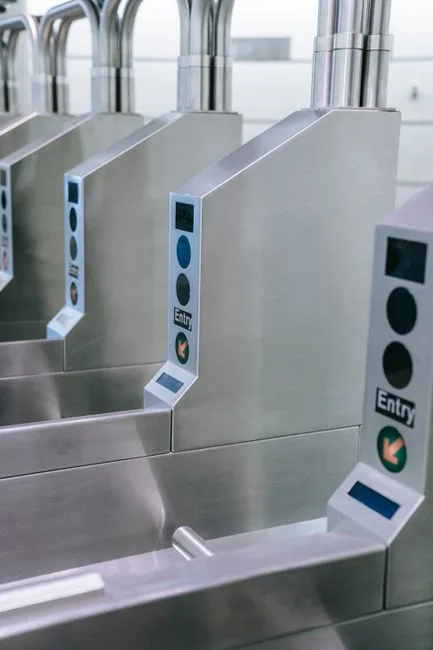
An automated parking platform allows you to manage parking operations efficiently without the need for human intervention. This system automates the process of parking management, from monitoring available spaces to processing payments. With an automated parking platform, you can streamline operations, reduce labor costs, and enhance customer satisfaction.
Key concepts and practical examples
IntellentSpaces.com is a Smart Saas Management Software and telemetry application for Self-Service Businesses. Our differentiator is that we provide unlimited machines management for a flat price. This is one powerful platform for managing vending machines, laundromats, car washes, dog washes, parking, ticketing, shoe cleaning, and disinfection vending machines, and any machine that requires no human to operate and performs monetary transactions for humans. Operators can monitor, manage, and grow their business without stressing about costs — from anywhere.
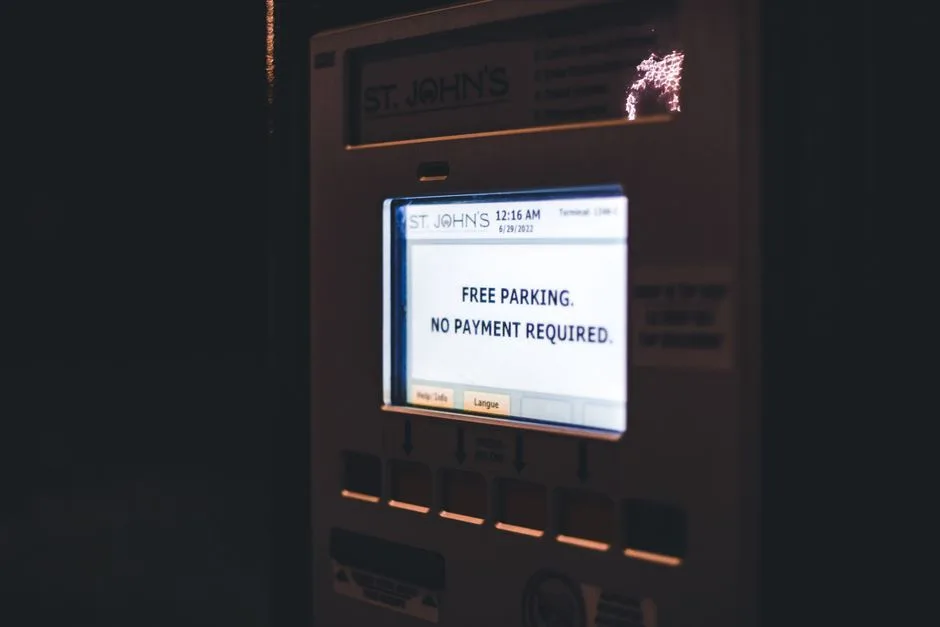
For example, if you own a parking facility, you can use the automated parking platform to track the number of available spaces in real-time. When a car enters, the system automatically updates the availability and processes the payment without requiring staff to be present. This not only saves time but also minimizes errors in payment processing.
How to put it into practice
To implement an automated parking platform, follow these steps:
- Assess your needs: Determine the size of your parking facility and the expected volume of traffic.
- Select a platform: Choose an automated parking platform that fits your operational needs. Look for features like real-time monitoring, payment processing, and reporting capabilities.
- Install the system: Work with a provider to install the necessary hardware and software. This may include sensors, cameras, and payment kiosks.
- Train your staff: Ensure that your team understands how to use the system and can assist customers if needed.
- Monitor performance: Regularly check the system’s performance and make adjustments as necessary to optimize operations.
Comparing approaches and avoiding mistakes
When choosing an automated parking platform, consider the following:
- Cost: Compare the pricing models of different platforms. Some may charge per transaction, while others offer a flat fee.
- Features: Ensure the platform includes essential features like real-time monitoring and reporting.
- Scalability: Choose a system that can grow with your business needs.
Common mistakes to avoid include:
- Underestimating the importance of customer support from the provider.
- Neglecting to train staff adequately on the new system.
- Failing to monitor system performance regularly, which can lead to operational inefficiencies.
Common questions
What types of payments can be processed? Most automated parking platforms accept various payment methods, including credit cards, mobile payments, and cash.
How can I monitor my parking facility remotely? The platform typically includes a dashboard that allows you to view real-time data on space availability and revenue from anywhere.
Is it easy to integrate with existing systems? Many automated parking platforms are designed to integrate with existing management systems, but it’s essential to confirm compatibility with your current setup.
Your next step
To enhance your parking operations with an automated parking platform, consider exploring your options. Review your specific needs and evaluate different platforms to find the best fit for your business.