Practical guide
how much does a vending machine cost
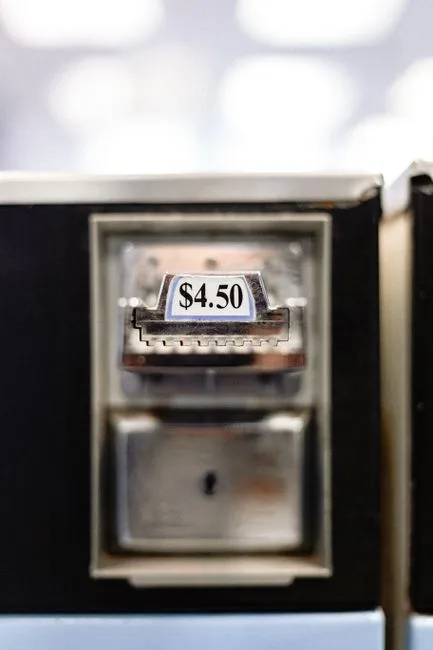
Understanding how much does a vending machine cost
The cost of a vending machine can vary widely based on several factors, including the type of machine, its features, and the products you plan to sell. Generally, you can expect to pay anywhere from $1,000 to $10,000 for a vending machine. This price range includes basic machines as well as more advanced models with features like cashless payment options.
Key takeaways include:
- Initial costs range from $1,000 to $10,000.
- Consider ongoing expenses like restocking, maintenance, and location fees.
- Choosing the right machine type can impact your overall investment.
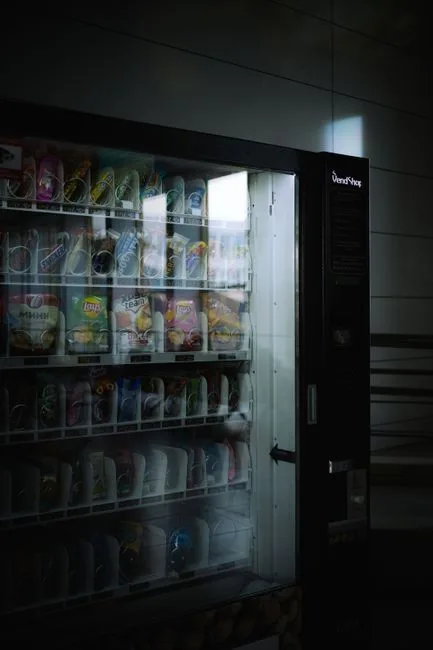
Key concepts and practical examples
When considering how much a vending machine costs, it’s essential to factor in both the initial purchase price and ongoing operational costs. For example, a basic snack vending machine might cost around $3,000, while a specialized machine that offers fresh food could be closer to $5,000 or more.
In addition to the purchase price, you need to consider:
- Restocking costs: Depending on the products you choose, restocking can cost anywhere from $50 to $300 per month.
- Maintenance: Regular maintenance might add another $100 to $200 annually.
- Location fees: If you place your machine in a business, you may need to pay a commission or rental fee, which can vary widely.
Using IntellentSpaces, you can manage these costs effectively by tracking sales and inventory, ensuring you know when to restock and how much to reorder from suppliers.
How to put it into practice
To effectively manage the costs associated with your vending machine, follow these steps:
- Research machine types: Identify the type of vending machine that fits your target market.
- Calculate initial costs: Include the purchase price, delivery, and installation fees.
- Estimate ongoing expenses: Factor in restocking, maintenance, and location fees.
- Set a budget: Determine how much you can afford to invest initially and on an ongoing basis.
- Use management software: Implement IntellentSpaces to track sales, manage inventory, and streamline reordering processes.
Comparing approaches and avoiding mistakes
When choosing a vending machine, consider the following trade-offs:
- Type of products: Machines that offer a wider variety of products may have higher initial costs but can attract more customers.
- Payment options: Machines with cashless payment options may have higher upfront costs but can increase sales.
- Location: High-traffic areas may justify higher location fees but can lead to increased sales.
To avoid common mistakes, ensure you:
- Research the market demand for the products you plan to sell.
- Calculate all associated costs before making a purchase.
- Regularly monitor sales and adjust your inventory accordingly using IntellentSpaces.
Common questions
Many operators wonder about the best type of vending machine to invest in. The answer often depends on your target audience. For example, if you are in a gym, a health-focused vending machine might be more successful than a traditional snack machine.
Another common question is about financing options. Many suppliers offer financing plans, which can help spread the cost of the machine over time, making it easier to manage your budget.
Your next step
Now that you understand the costs associated with vending machines, consider your options carefully. Research different types of machines and their features, and calculate your budget. To streamline your operations and manage your machines effectively, explore IntellentSpaces for comprehensive management solutions.