Practical guide
how much is a vending machine cost
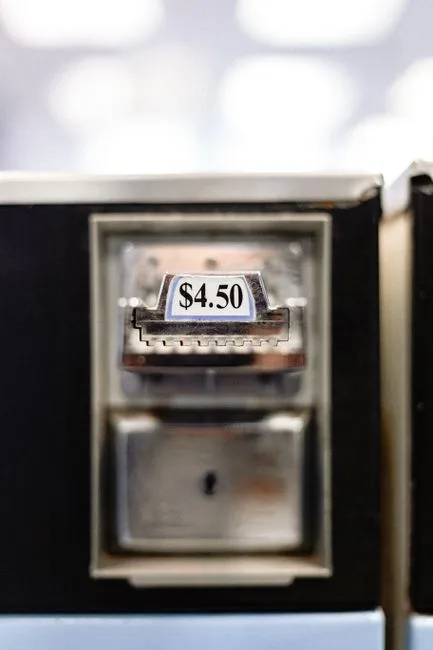
Understanding how much is a vending machine cost
The cost of a vending machine can vary widely based on several factors, including the type of machine, its features, and where you purchase it. Generally, you can expect to pay anywhere from $1,000 to $10,000 for a vending machine. Key takeaways include:
- Basic vending machines start around $1,000.
- Specialty machines, like those for fresh food or beverages, can cost significantly more.
- Consider additional costs such as maintenance, restocking, and location fees.
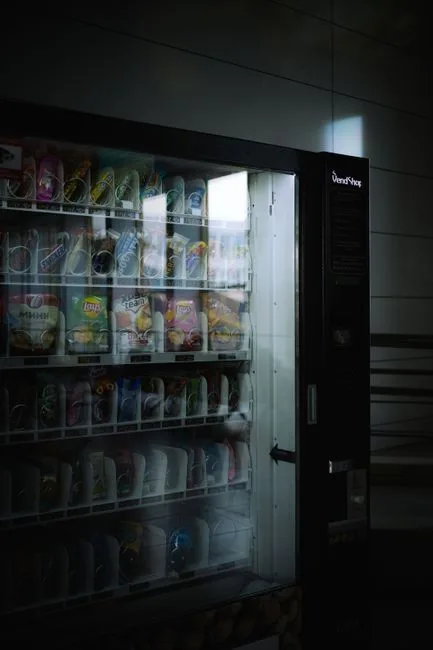
Key concepts and practical examples
When evaluating the cost of a vending machine, it's essential to consider not just the purchase price but also ongoing expenses. For example, if you buy a vending machine for $3,000, you should also factor in:
- Maintenance costs, which can average $100 to $200 per month.
- Restocking expenses, which depend on the products you choose to sell.
- Location fees, which can vary based on agreements with property owners.
IntellentSpaces can help you manage these costs effectively. With its all-in-one management software, you can track sales, monitor stock levels, and reorder supplies from suppliers, ensuring you keep your vending machine profitable.
How to put it into practice
To effectively manage the costs associated with your vending machine, follow these steps:
- Determine your budget for purchasing a vending machine.
- Research different types of machines and their costs.
- Calculate ongoing expenses, including maintenance and restocking.
- Use IntellentSpaces to track your sales and expenses, allowing you to adjust your inventory based on performance.
- Regularly review your financials to ensure profitability.
Comparing approaches and avoiding mistakes
When choosing a vending machine, consider the following trade-offs:
- New vs. used machines: New machines come with warranties but are more expensive. Used machines are cheaper but may require more maintenance.
- Type of products: Machines that offer fresh food may have higher initial costs but can attract more customers.
- Location: High-traffic areas may justify higher location fees but can lead to better sales.
To avoid common mistakes, ensure you:
- Research the market demand for the products you plan to offer.
- Negotiate location fees to maximize your profit margins.
- Regularly maintain your machine to avoid costly repairs.
Common questions
Here are some common questions regarding vending machine costs:
- What is the average lifespan of a vending machine? Most vending machines last between 5 to 10 years with proper maintenance.
- Are there financing options available for purchasing vending machines? Yes, many suppliers offer financing plans to help you manage the upfront costs.
- How do I choose the right products for my vending machine? Analyze local demand and consider offering a mix of snacks, beverages, and healthy options.
Your next step
Now that you understand the costs associated with vending machines, consider exploring your options. Use IntellentSpaces to manage your machines efficiently and keep track of your expenses. This will help you maximize your profits and streamline your operations.