Practical guide
how to sell machines
Understanding how to sell machines
To sell machines effectively, you need to understand your market, identify potential customers, and present your machines' benefits clearly. Focus on the unique features of your machines, such as ease of use, reliability, and profitability. Key takeaways include knowing your audience, highlighting the advantages of your machines, and providing excellent customer support.
Key concepts and practical examples
IntellentSpaces.com is a Smart Saas Management Software and telemetry application for Self-Service Businesses. Our differentiator is that we provide unlimited machines management for a flat price. This is one powerful platform for managing vending machines, laundromats, car washes, dog washes, parking, ticketing shoe cleaning and disinfection vending machines, and any machine that requires no human to operate and performs monetary transactions for humans. Operators can monitor, manage, and grow their business without stressing about costs — from anywhere.
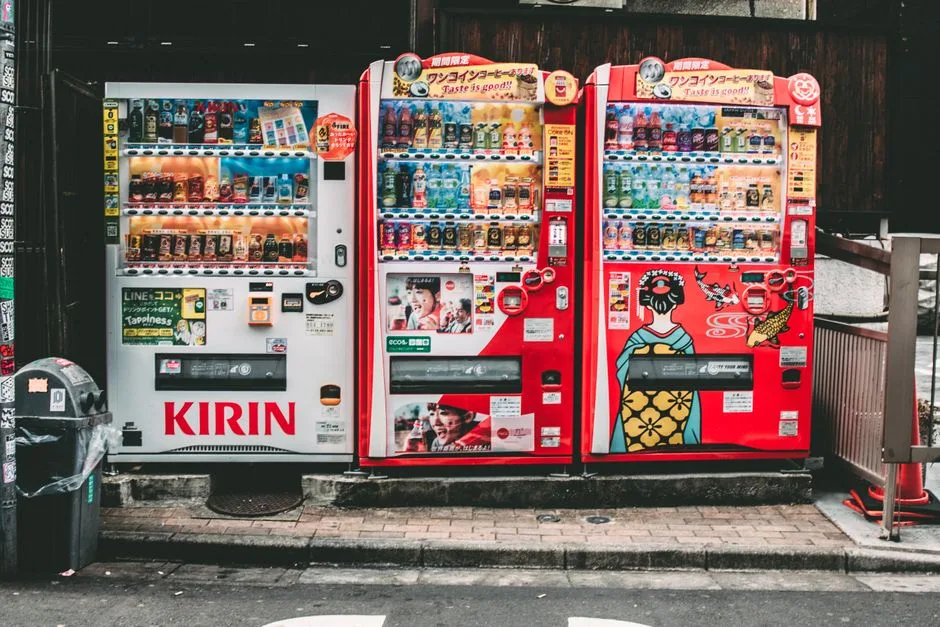
For example, if you are selling vending machines, emphasize how easy it is to restock them using IntellentSpaces. You can check sales data to determine which products are popular and need replenishing. This data-driven approach can help potential buyers see the value in your machines.
How to put it into practice
1. **Identify Your Target Market**: Research businesses that could benefit from your machines. This could include gyms for vending machines, laundromats for washing machines, or parks for dog washes.
2. **Demonstrate the Value**: Use data from IntellentSpaces to show potential customers how your machines can increase their revenue. For instance, show them how to track sales and manage inventory efficiently.
3. **Provide Excellent Support**: Ensure that you offer training and support for your customers. This could include how to use the management software effectively.
4. **Follow Up**: After the initial sale, check in with your customers to see how they are doing. This builds trust and can lead to repeat business.
Comparing approaches and avoiding mistakes
When selling machines, consider different sales strategies such as direct sales, online marketing, or partnerships with local businesses. Each approach has its pros and cons. For example, direct sales may allow for personal interaction, while online marketing can reach a broader audience.
Common mistakes to avoid include not understanding your customer's needs, failing to provide adequate support, and neglecting follow-up communication. A comparison table can help outline these strategies:
| Approach | Pros | Cons |
|---|---|---|
| Direct Sales | Personal interaction, immediate feedback | Time-consuming, limited reach |
| Online Marketing | Wider audience, cost-effective | Less personal, may require technical skills |
| Partnerships | Shared resources, mutual benefits | Dependence on partner's reliability |
Common questions
**What types of machines are easiest to sell?** Machines that offer convenience and have a proven demand, like vending machines or car washes, tend to sell well.
**How can I ensure customer satisfaction?** Providing thorough training and ongoing support is key. Use IntellentSpaces to help customers manage their machines effectively.
Your next step
Start by researching your target market and preparing your sales pitch. Use the insights from IntellentSpaces to demonstrate the value of your machines. Remember to follow up with customers to build lasting relationships. Explore IntellentSpaces for more tools to manage your self-service business effectively.