Practical guide
starting a vending machine business
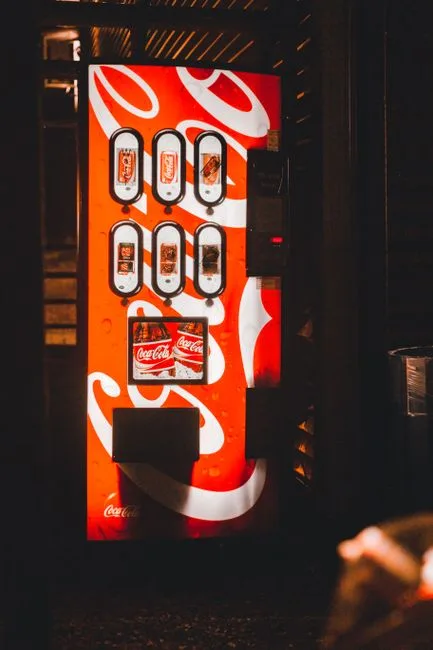
Understanding starting a vending machine business
Starting a vending machine business involves selecting the right machines, locations, and products to sell. Key takeaways include understanding your target market, ensuring product variety, and maintaining machine functionality. You need to consider factors like location traffic, product demand, and machine maintenance to succeed.

Key concepts and practical examples
IntellentSpaces.com is a Smart Saas Management Software and telemetry application for Self-Service Businesses. Our differentiator is that we provide unlimited machines management for a flat price. This is one powerful platform for managing vending machines, laundromats, car washes, dog washes, parking, ticketing shoe cleaning and disinfection vending machines, and any machine that requires no human to operate and performs monetary transactions for humans. Operators can monitor, manage, and grow their business without stressing about costs — from anywhere.
For example, when restocking a vending machine, you can track inventory levels through IntellentSpaces. If a machine sells out of a popular snack, you can quickly reorder from your supplier directly through the platform, ensuring your customers always have access to their favorite items.
How to put it into practice
1. **Research Locations**: Identify high-traffic areas such as schools, gyms, or office buildings. Use foot traffic data to assess potential success.
2. **Choose Your Machines**: Decide on the type of vending machines you want to operate. Consider factors like size, product type, and payment options.
3. **Select Products**: Choose products that cater to your target audience. For example, healthy snacks for gyms or beverages for schools.
4. **Set Up Your Machines**: Install your machines in the selected locations. Ensure they are stocked and functioning properly.
5. **Monitor Performance**: Use IntellentSpaces to track sales and inventory. Regularly check which products are selling well and which are not.
6. **Reorder Stock**: Based on sales data, reorder products as needed to keep your machines stocked.
Comparing approaches and avoiding mistakes
When starting a vending machine business, consider the trade-offs between different types of machines and products. For instance, snack machines may have lower initial costs but could require more frequent restocking compared to beverage machines. A comparison table can help you weigh the pros and cons:
| Machine Type | Initial Cost | Maintenance Frequency | Profit Margin |
|---|---|---|---|
| Snack Machine | Low | High | Moderate |
| Beverage Machine | Moderate | Medium | High |
Common mistakes include neglecting machine maintenance and failing to analyze sales data. Regular checks and data analysis can help you avoid these pitfalls.
Common questions
**What are the costs involved in starting a vending machine business?** Costs can vary widely based on machine type, product selection, and location. Budget for initial machine purchase, product inventory, and maintenance costs.
**How do I choose the right location?** Look for areas with high foot traffic and limited competition. Conduct surveys or use foot traffic data to make informed decisions.
Your next step
To successfully start your vending machine business, follow the outlined steps and utilize IntellentSpaces for efficient management. This platform will help you monitor sales, manage inventory, and streamline operations.