Practical guide
vending machine as a business
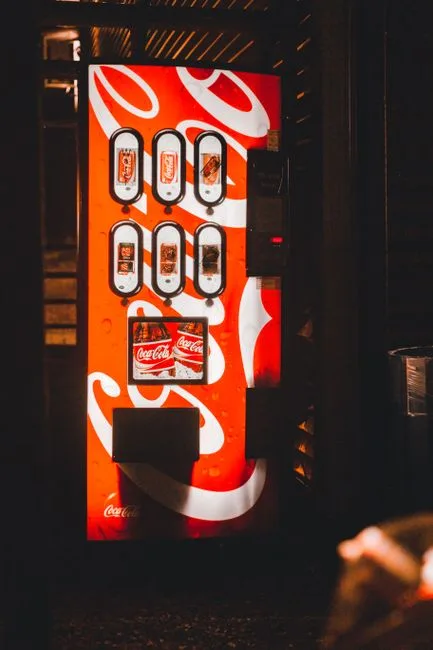
Understanding vending machine as a business
Starting a vending machine business can be a profitable venture. You can operate machines in various locations, providing convenience to customers while generating passive income. Key takeaways include understanding your target market, choosing the right products, and effectively managing your inventory.

Key concepts and practical examples
IntellentSpaces.com is a Smart Saas Management Software and telemetry application for Self-Service Businesses. Our differentiator is that we provide unlimited machines management for a flat price. This is one powerful platform for managing vending machines, laundromats, car washes, dog washes, parking, ticketing shoe cleaning and disinfection vending machines, and any machine that requires no human to operate and performs monetary transactions for humans. Operators can monitor, manage, and grow their business without stressing about costs — from anywhere.
For example, if you own a vending machine, you can easily check sales data through the IntellentSpaces platform. This allows you to see which products are selling well and which are not, helping you make informed decisions about restocking. You can also track inventory levels and set reminders for when to reorder from suppliers, ensuring that your machines are always stocked with popular items.
How to put it into practice
1. **Choose Your Location**: Identify high-traffic areas where your vending machines will attract customers. Consider places like schools, offices, or gyms.
2. **Select Your Products**: Research what products are in demand in your chosen locations. Offer a mix of snacks, beverages, and healthy options.
3. **Set Up Your Machines**: Use IntellentSpaces to manage your machines. Input product details and pricing into the system.
4. **Monitor Sales**: Regularly check sales data through the IntellentSpaces platform. This will help you understand customer preferences and adjust your stock accordingly.
5. **Restock Efficiently**: Use the inventory tracking feature to determine when to restock. Schedule regular visits to your machines to ensure they are always filled with popular items.
Comparing approaches and avoiding mistakes
When starting a vending machine business, consider the following trade-offs:
- Product Variety vs. Specialization: Offering a wide variety of products can attract more customers, but specializing in a niche market can lead to higher sales in that category.
- Location Selection: High-traffic areas may have higher rental costs, but they also offer greater sales potential. Weigh the costs against expected revenue.
To avoid common mistakes, ensure you regularly check inventory levels and sales data. Neglecting these can lead to stockouts or overstocking, both of which can hurt your profits.
Common questions
What are the initial costs of starting a vending machine business? Initial costs can include purchasing machines, stocking products, and securing locations. It's essential to budget for these expenses before starting.
How do I choose the right products for my vending machines? Research local preferences and trends. Consider conducting surveys or observing what products are popular in similar machines.
Can I manage multiple machines easily? Yes, with IntellentSpaces, you can manage multiple machines from one platform, making it easier to track sales and inventory across all locations.
Your next step
Now that you have a better understanding of how to start and manage a vending machine business, consider exploring the features of IntellentSpaces to streamline your operations. With its comprehensive management tools, you can efficiently monitor and grow your business.