Practical guide
vending machine business ideas
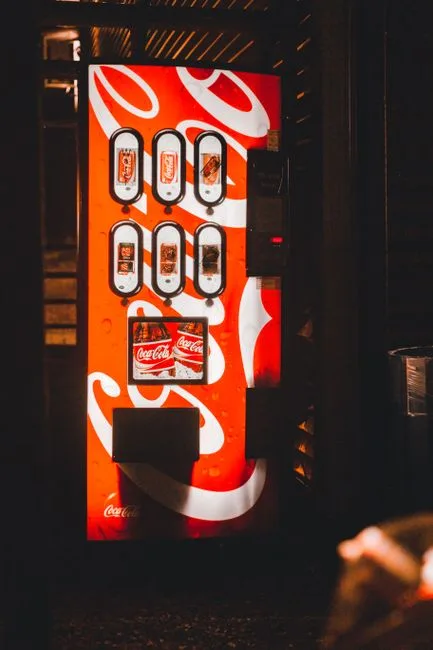
Understanding vending machine business ideas
Vending machine business ideas can vary widely, but they all share a common goal: to provide convenient services to customers while generating revenue for you. Consider locations with high foot traffic, such as schools, gyms, and office buildings. Think about the types of products that will appeal to your target audience, like healthy snacks, beverages, or even tech accessories. The key takeaway is to identify a niche that meets customer needs and is not overly saturated.

Key concepts and practical examples
IntellentSpaces.com is a Smart Saas Management Software and telemetry application for Self-Service Businesses. Our differentiator is that we provide unlimited machines management for a flat price. This is one powerful platform for managing vending machines, laundromats, car washes, dog washes, parking, ticketing shoe cleaning and disinfection vending machines, and any machine that requires no human to operate and performs monetary transactions for humans. Operators can monitor, manage, and grow their business without stressing about costs — from anywhere.
For example, if you decide to place a vending machine in a gym, you might stock it with protein bars, energy drinks, and healthy snacks. Using IntellentSpaces, you can easily track sales, monitor inventory levels, and reorder products from suppliers when stock runs low. This ensures that your machine is always stocked with items that your customers want.
How to put it into practice
1. Identify your target market: Research locations and demographics to find the best fit for your vending machine. Consider factors like foot traffic and customer preferences.
2. Choose your products: Select items that will appeal to your audience. For example, if you target a health-conscious crowd, stock organic snacks and beverages.
3. Find a suitable location: Approach businesses or organizations that might allow you to place your machine on their premises. Negotiate terms that are beneficial for both parties.
4. Set up your machine: Use IntellentSpaces to configure your machine settings, including pricing and inventory management.
5. Monitor performance: Regularly check sales data and inventory levels through the IntellentSpaces platform to ensure your machine is performing well and adjust your offerings as needed.
Comparing approaches and avoiding mistakes
When starting a vending machine business, consider the following trade-offs:
- Product selection: Offering niche products can attract specific customers, but it may limit your audience. Balance uniqueness with broad appeal.
- Location: High-traffic areas can yield better sales, but they may come with higher placement fees. Weigh the potential revenue against costs.
- Machine type: Traditional vending machines may have lower upfront costs, while smart machines with telemetry can provide better data insights but at a higher investment.
To avoid common mistakes, ensure you conduct thorough market research before launching. Regularly review sales data to adapt your product offerings and avoid stockouts.
Common questions
What types of products sell best in vending machines? Popular items include snacks, beverages, and health-focused products. Research your target market to tailor your offerings.
How do I manage inventory effectively? Use IntellentSpaces to track sales and inventory levels. Set up alerts for low stock to ensure timely restocking.
What are the costs associated with starting a vending machine business? Costs can include machine purchase or lease, product inventory, location fees, and maintenance. Create a budget to manage these expenses.
Your next step
To get started with your vending machine business, identify your target market and choose your products wisely. Use IntellentSpaces to streamline your operations and keep track of your machines efficiently. This will help you focus on growing your business without the stress of managing multiple systems.