Practical guide
vending machine business model canvas
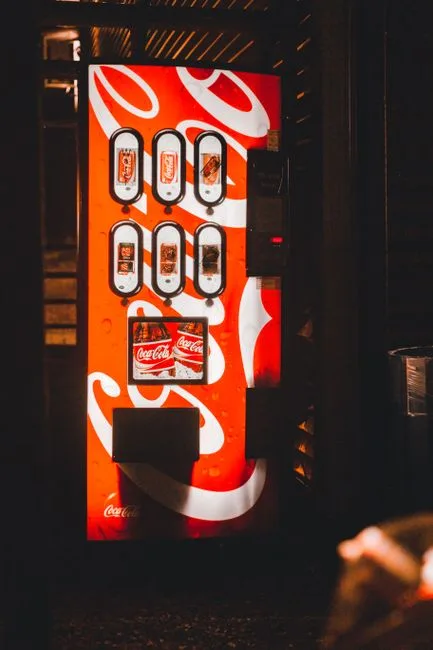
Understanding vending machine business model canvas
The vending machine business model canvas is a strategic tool that helps you visualize and plan your vending machine operations. It outlines key components such as value propositions, customer segments, and revenue streams. By using this canvas, you can identify how to effectively manage your machines and optimize your business operations.

Key concepts and practical examples
IntellentSpaces.com is a Smart Saas Management Software and telemetry application for Self-Service Businesses. Our differentiator is that we provide unlimited machines management for a flat price. This is one powerful platform for managing vending machines, laundromats, car washes, dog washes, parking, ticketing shoe cleaning and disinfection vending machines, and any machine that requires no human to operate and performs monetary transactions for humans. Operators can monitor, manage, and grow their business without stressing about costs — from anywhere.
For example, when restocking a vending machine, you can track inventory levels through IntellentSpaces. This allows you to know exactly when to reorder products from your suppliers, ensuring that your machines are always stocked and ready for customers.
How to put it into practice
To implement the vending machine business model canvas, follow these steps:
- Define your value proposition: Identify what makes your vending machines unique. This could be product variety, pricing, or convenience.
- Identify customer segments: Determine who your customers are. Are they office workers, students, or gym-goers?
- Outline revenue streams: Decide how you will generate income. This could be through direct sales, advertising on machines, or partnerships.
- Map out key activities: List the essential tasks needed to run your vending machine business, such as restocking, maintenance, and customer service.
- Utilize IntellentSpaces: Use the platform to manage your machines, track sales, and monitor stock levels efficiently.
Comparing approaches and avoiding mistakes
When developing your vending machine business model, consider the following trade-offs:
- Location: High foot traffic areas may yield more sales but come with higher rental costs.
- Product selection: Offering a wide variety may attract more customers, but it can complicate inventory management.
To avoid common mistakes, ensure you regularly check sales data and stock levels. This helps prevent stockouts and overstock situations, which can hurt profitability.
Common questions
What should I consider when choosing a location for my vending machines? Look for areas with high foot traffic, such as schools, gyms, or office buildings. Consider the demographics of the area to ensure your product selection aligns with customer preferences.
How can I effectively track inventory? Use IntellentSpaces to monitor stock levels in real-time. Set up alerts for low stock to ensure timely restocking.
Your next step
Now that you understand the vending machine business model canvas, start mapping out your own model. Use the insights gained here to refine your approach and leverage IntellentSpaces for efficient management of your vending operations.