Practical guide
vending machine pricing strategy
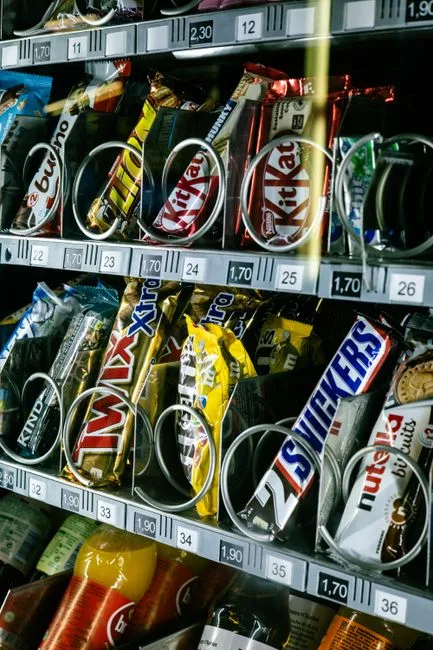
Understanding vending machine pricing strategy
A vending machine pricing strategy involves setting prices that maximize your profits while remaining competitive. Key takeaways include understanding your costs, analyzing competitor pricing, and considering customer demand. You want to ensure your prices cover your expenses and provide a profit margin, while also appealing to your target market.
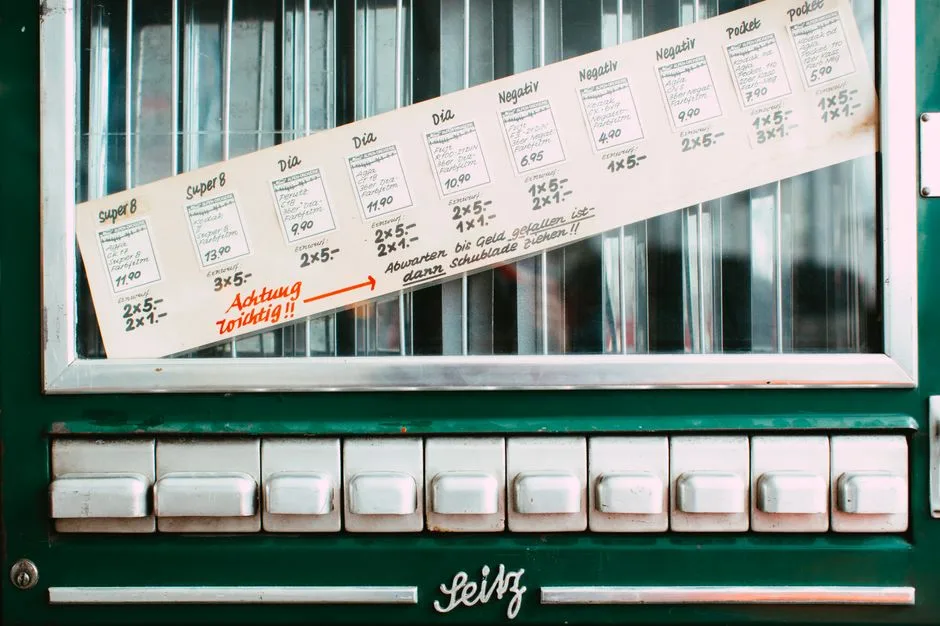
Key concepts and practical examples
To develop a successful pricing strategy, you need to consider several factors. First, calculate your costs, including the purchase price of products, machine maintenance, and operational expenses. For example, if you spend $1,000 on products and $200 on maintenance monthly, your total costs are $1,200. If you aim for a 30% profit margin, you would need to generate $1,560 in sales.
Next, analyze competitor pricing. If similar vending machines in your area charge $2.00 for snacks, you may want to price yours similarly or slightly lower to attract customers. Additionally, consider customer demand. If a particular snack is popular, you might price it higher due to increased demand.
How to put it into practice
1. **Calculate your costs**: List all expenses related to your vending machine, including product costs, maintenance, and any fees.
2. **Determine your desired profit margin**: Decide how much profit you want to make on each item sold.
3. **Research competitor prices**: Check prices of similar vending machines nearby.
4. **Set your prices**: Based on your costs, desired profit margin, and competitor pricing, set your prices.
5. **Monitor sales**: Regularly check sales data to see if your pricing is effective. Adjust as necessary.
Comparing approaches and avoiding mistakes
When setting prices, consider the trade-offs between pricing high for higher margins and pricing low to attract more customers. A useful comparison table might include different pricing strategies, their potential sales volume, and profit margins. Common mistakes include not accounting for all costs, failing to adjust prices based on sales data, and ignoring competitor pricing. Regularly review your pricing strategy to avoid these pitfalls.
Common questions
**What if my prices are too high?** If customers are not buying, consider lowering your prices or offering promotions.
**How often should I review my pricing?** Regularly review your pricing strategy, at least quarterly, to ensure it remains competitive and profitable.
**Can I change prices frequently?** Yes, but be cautious. Frequent changes can confuse customers. Aim for stability while being responsive to market conditions.
Your next step
Now that you understand how to develop a vending machine pricing strategy, start by calculating your costs and analyzing competitor prices. This will help you set effective prices that maximize your profits. For ongoing management of your vending machines, consider using IntellentSpaces to monitor sales and manage your inventory efficiently.